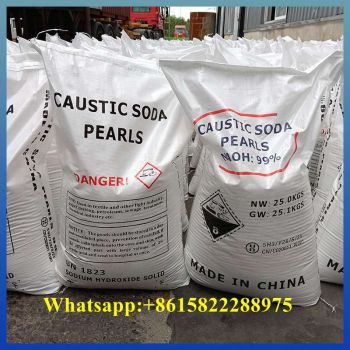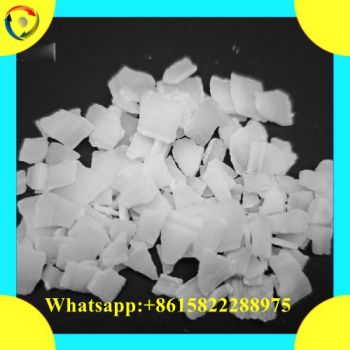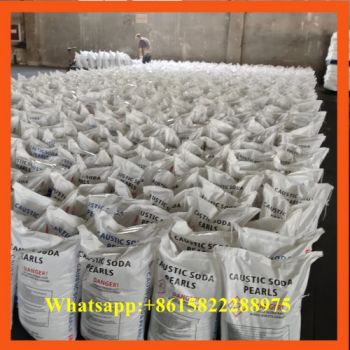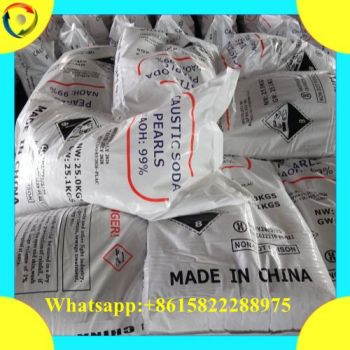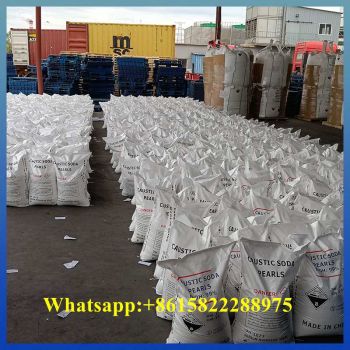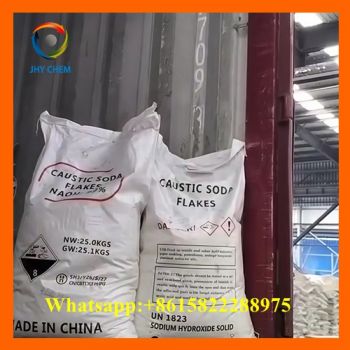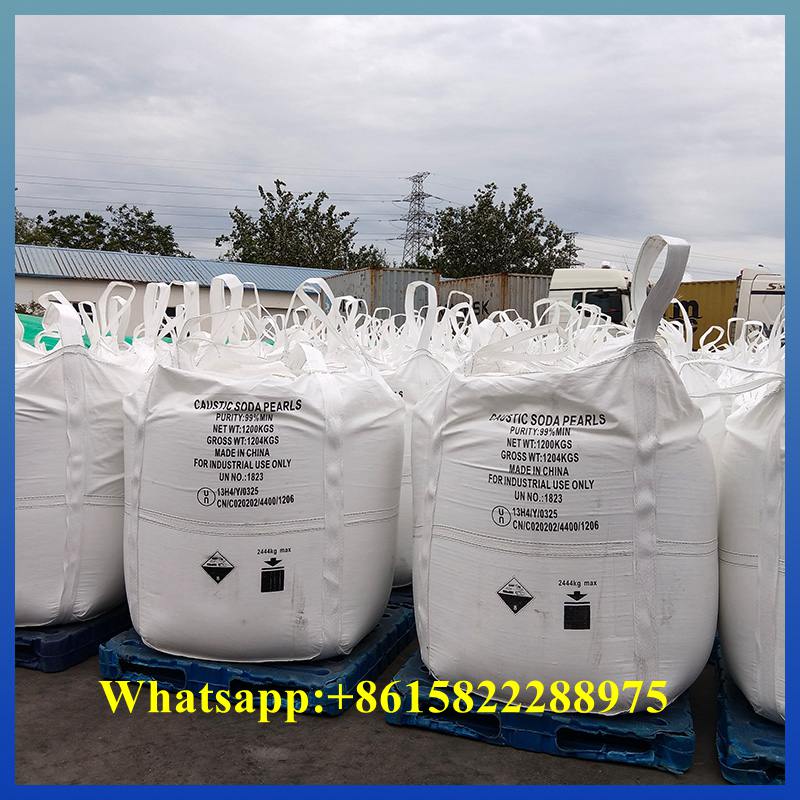
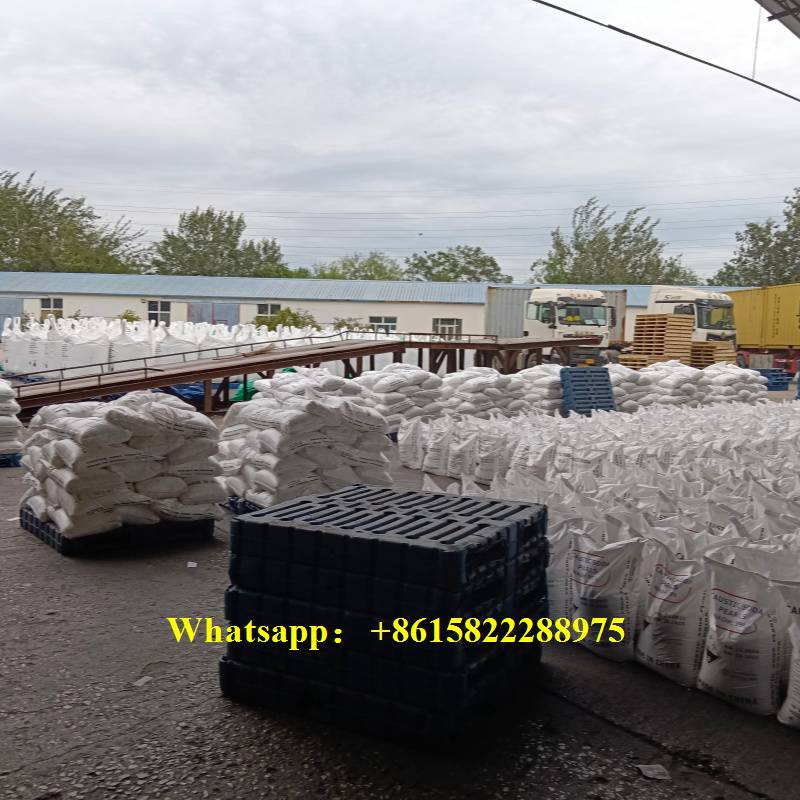
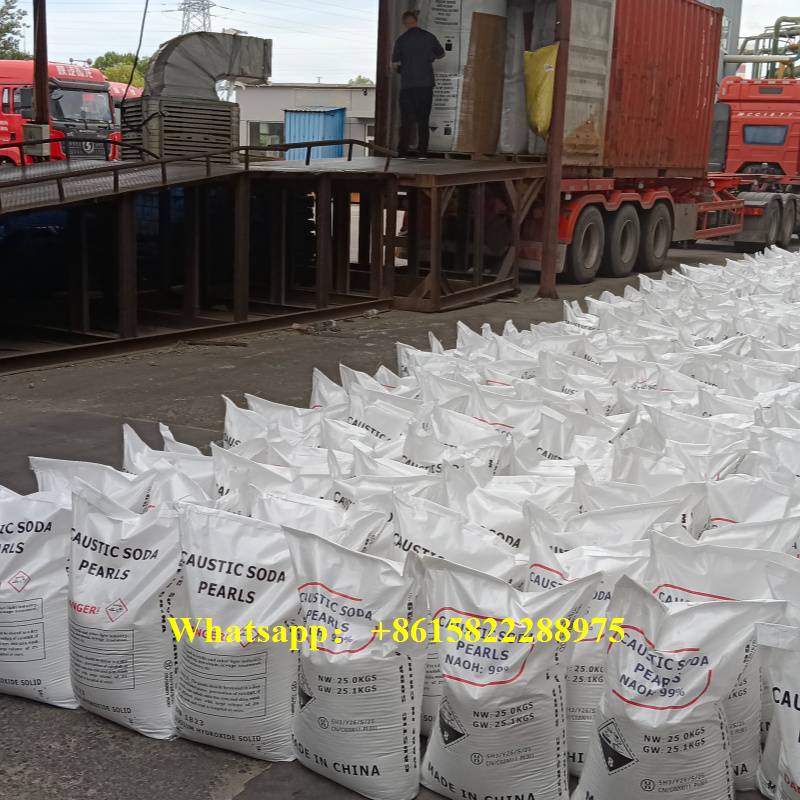
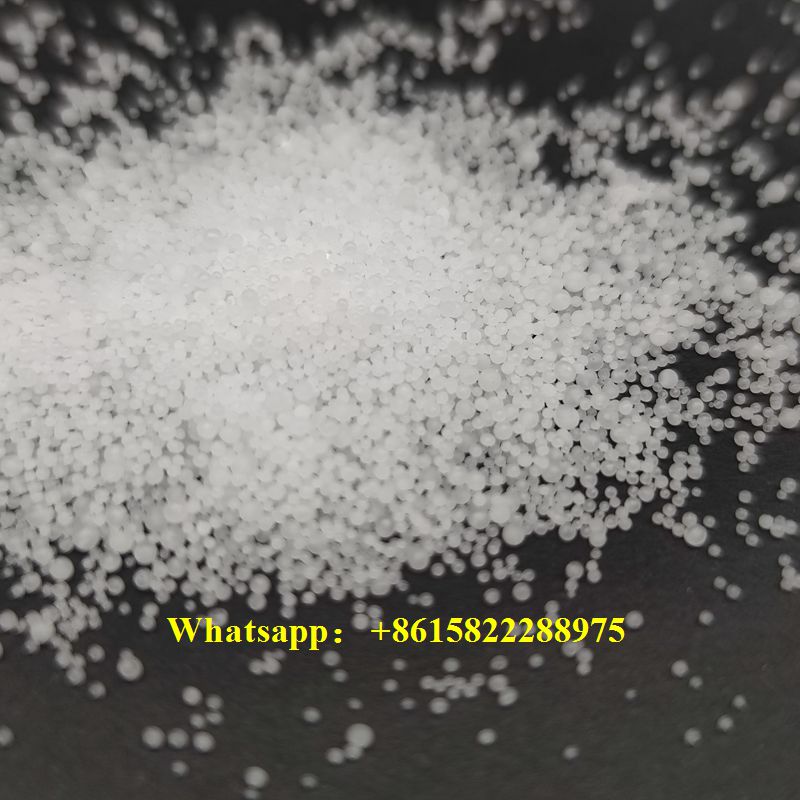
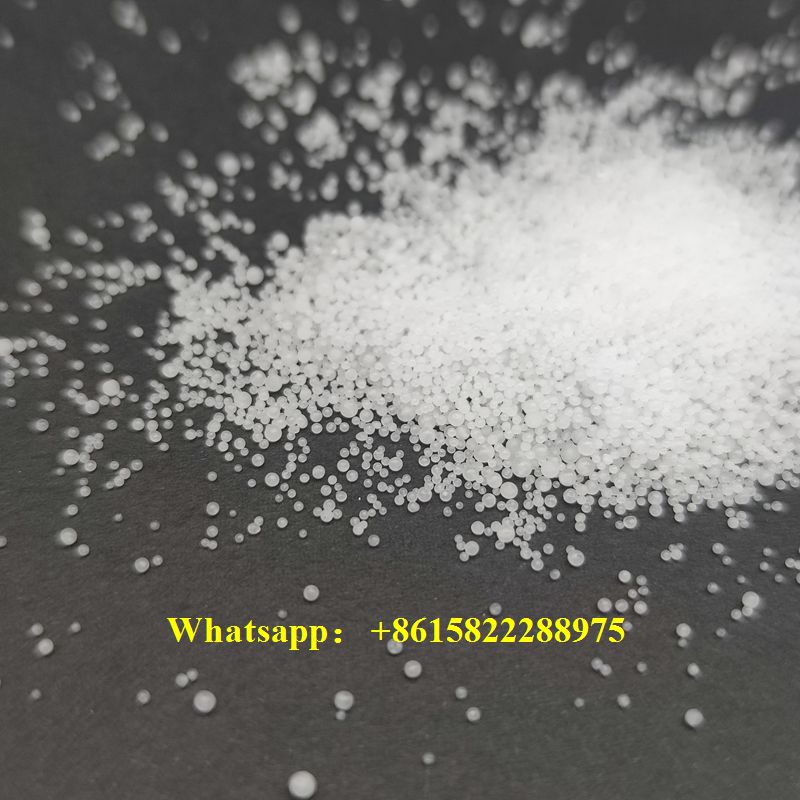
Description: caustic soda used in textile industry
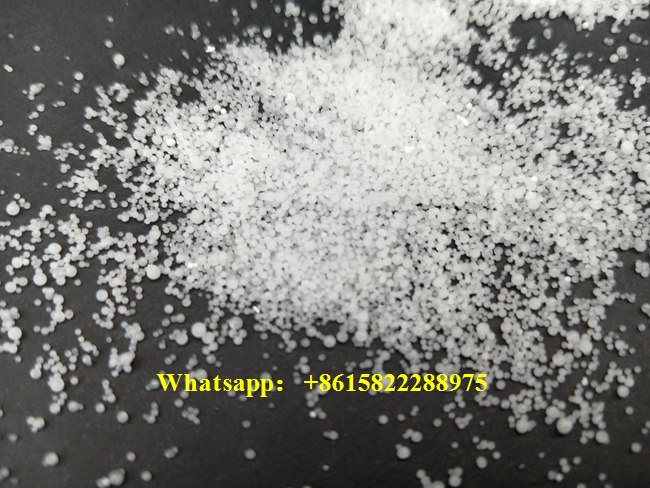
Appearance: white pearls, prills or pellets
M.F.:NaOH
CAS number: 1310-73-2
HS code: 28151100
UN number: 1823
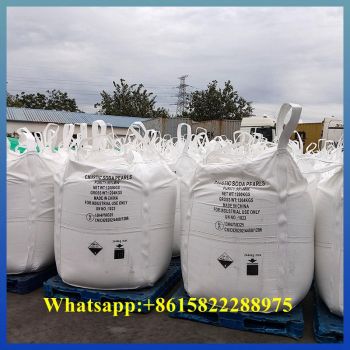
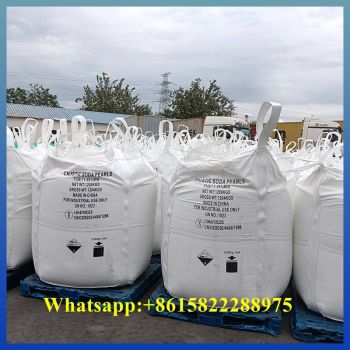
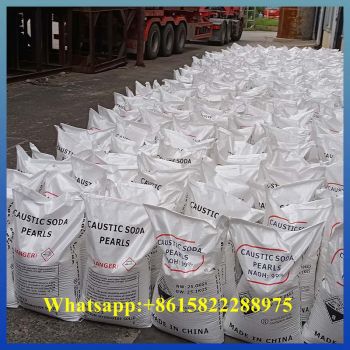
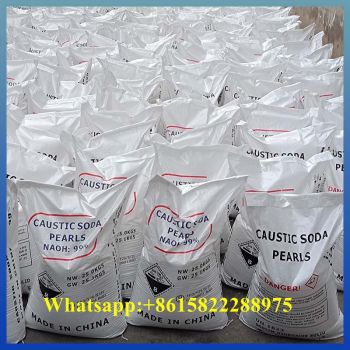
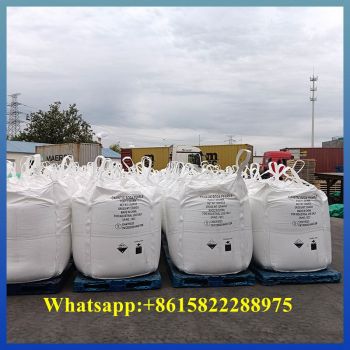
PACKAGE :25kg bag; 25kg plastic drum;1.2tons jumbo bag; customized bag.
Hazardous: yes, it is class 8
In contemporary textile wet-processing and fabric finishing, achieving consistent color depth, uniform moisture absorbency, and superior tensile strength depends directly on the chemical quality of foundational alkaline reagents. High-purity sodium hydroxide (NaOH ≥ 99%) functions as an indispensable chemical agent across key fabric preparation stages, including scouring, desizing, bleaching, and mercerization. When high-grade caustic soda used in textile industry processing lines is deployed during pre-treatment, it efficiently saponifies natural waxes, removes pectin, and dissolves seed coat fragments embedded within raw cotton fibers. This thorough purification opens up the cellulose structure, significantly raising fabric hydrophilicity and ensuring that subsequent dyeing or printing processes yield vibrant, long-lasting colors without streaking or blotching.
Selecting a high-concentration alkaline reagent provides measurable performance advantages across various fabric processing lines:
● Superior Mercerization Performance: Causes flat cotton fibers to swell permanently into smooth cylindrical shapes, dramatically enhancing fabric luster, dimensional stability, and mechanical strength.
● Optimized Dyestuff Affinity: Increases the density of reactive hydroxyl groups within the cellulose lattice, enabling reactive and direct dyes to bond deeper while lowering total dyestuff consumption.
● Effective Scouring and Impurity Removal: Emulsifies natural fats and removes non-cellulosic impurities, preparing greige goods for uniform bleaching and seamless color pickup.
● Polyester Weight-Reduction Treatment: Facilitates controlled surface hydrolysis of synthetic fibers to create a silk-like hand feel and improve natural fabric drape.
● Dye House Equipment Sanitation: Acts as a heavy-duty industrial cleaning agent for stripping dyestuff residues, sizing agents, and synthetic lubricants from stainless steel dyeing vessels.
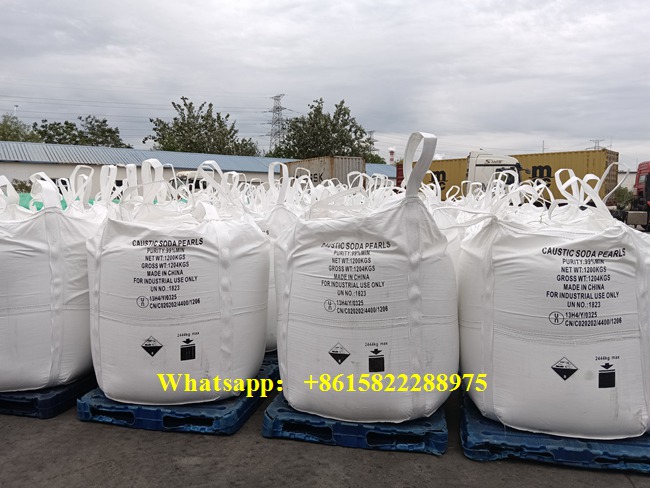
Because solid sodium hydroxide is intensely hygroscopic and rapidly absorbs atmospheric moisture and carbon dioxide, preserving active chemical potency during maritime transport is vital for textile chemical distributors. Our export-grade packaging features an engineered multi-layer protection architecture:
1. Hermetic Polyethylene (PE) Inner Liner: A thick, heat-sealed internal plastic film that completely insulates solid flakes or micro-pearls from ambient sea humidity and moisture during ocean shipping.
2. Heavy-Duty Polypropylene (PP) Woven Outer Bag: A high-tenacity external shell engineered to provide superior tensile strength, preventing bag ruptures during container loading and port stacking.
3. Ergonomic 25kg Standard Weight: Designed in full compliance with international occupational safety guidelines, facilitating easy manual handling, exact batch weighing, and zero-loss hopper feeding.
Understanding the broad spectrum of caustic soda used in textile industry applications enables mill managers and procurement directors to optimize operational budgets while maintaining flawless quality standards. Partnering directly with an established chlor-alkali primary producer removes unnecessary trading markups, ensures stable delivery scheduling, and guarantees complete product origin transparency.
Every export batch undergoes thorough laboratory testing prior to dispatch to ensure strict adherence to international industrial chemical benchmarks. All shipments are accompanied by a full export documentation package, including a lot-specific Certificate of Analysis (COA), Globally Harmonized System (GHS) compliant Safety Data Sheets (SDS), and UN-certified packaging documentation for Class 8 corrosive solids (UN 1823). Contact our international sales department today to request technical datasheets, order testing samples, or secure bulk container shipments tailored to your mill's exact technical requirements.
Tel:+86-22-66863746
Fax:+86-22-66863746 ext. 608
Mobile Phone:
+86-15822288975(WhatsApp)
E-mail: causticsoda@jiahengyuanchem.com
Add:NO.1023, 10F, BLDG B, JUNJING SQUARE, HANGYUN 1ST ROAD, TEDA, TIANJIN, CHINA